Campo de concentración de Banjica
Nazi German concentration camp in the Territory of the Military Commander in Serbia
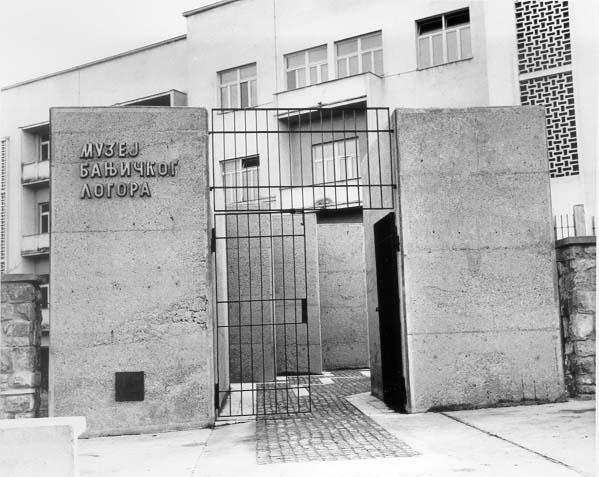
- Address
- Banjički venac, Beograd
- Social media
About
The Banjica concentration camp (German: KZ Banjica, Serbian: Бањички логор, Banjički logor) was a Nazi German concentration camp in the Territory of the Military Commander in Serbia, the military administration of the Third Reich established after the Invasion and occupation of Yugoslavia during World War II. In response to escalating resistance, the German army instituted severe repressive measures – mass executions of civilian hostages and the establishment of concentration camps. Located in the Banjica neighborhood of Dedinje—a suburb of Belgrade—it was originally used by the Germans as a center for holding hostages. The camp was later used to hold anti-fascist Serbs, Jews, Romani people, captured Partisans, Chetniks and other opponents of Nazi Germany. By 1942, most executions occurred at the firing ranges at Jajinci, Marinkova Bara and the Jewish cemetery. Banjica was operational from July 1941 to October 1944. It was jointly run by German occupiers under the command of Gestapo official Willy Friedrich and the Milan Nedić's puppet government, which was under full control of the occupational forces. However although German forces took the leading and guiding role of the Final Solution in Serbia, and the Germans monopolized the killing of Jews, they were actively aided in that role by Serbian collaborators. Later, Friedrich was tried, found guilty and executed for war crimes by Yugoslavia's post-war communist authorities.
Banjica concentration camp — Source: Wikipedia, CC BY-SA
Nearby
- 11156 Beograd 77 Post office · 24 m
- Vojna akademija University · 43 m
- Spomen-obeležje banjičkog logora Memorial · 50 m
- Dr Vais Doctor · 83 m
- Bista generala Jovana Miškovića Memorial · 87 m
- Muzej banjičkog logora Museum · 96 m
- Škola jezika Brendan School · 131 m
- Kafic Basta Parkic Café · 138 m
- Military Academy (Serbia) University · 160 m
- Stadion Vojne akademije Stadium · 163 m
- Salon lepote Beauty Brand Beauty salon · 170 m
- Vesela Soova Pastry shop · 185 m
Data sources: Overture Maps, Wikidata